A ground-level property inspection is easier to manage when you decide what you need from it before arriving. Perhaps you are preparing a holiday home between bookings, organising outdoor care or sorting a few maintenance priorities. The aim is not to diagnose every problem. It is to gather clear observations from safely accessible areas so you can decide what needs attention, what can wait and what requires specialist advice.
For homes around Victor Harbor and surrounds, spring is a useful broad reminder to review outdoor spaces before summer use. Choose the actual inspection time according to conditions on the day, rather than the season alone.
Set the scope of your ground-level property inspection
Write down two or three questions you want the visit to answer. For example: are the paths clear, which garden areas need attention, and is anything preventing the property from being presented neatly? A narrow purpose helps prevent a quick visit becoming an unplanned working bee.
Decide whether you are checking outside only or including accessible rooms. If someone else occupies or manages the property, agree on access and timing first. For a holiday home, confirm that the visit will not overlap with guests or scheduled work.
Keep the inspection visual and at ground level. Leave ladders packed away, do not enter roof spaces or crawl under the building, and do not move heavy items to reveal hidden areas. This is a planning exercise, not a substitute for a specialist inspection.
Prepare a simple route and a small kit
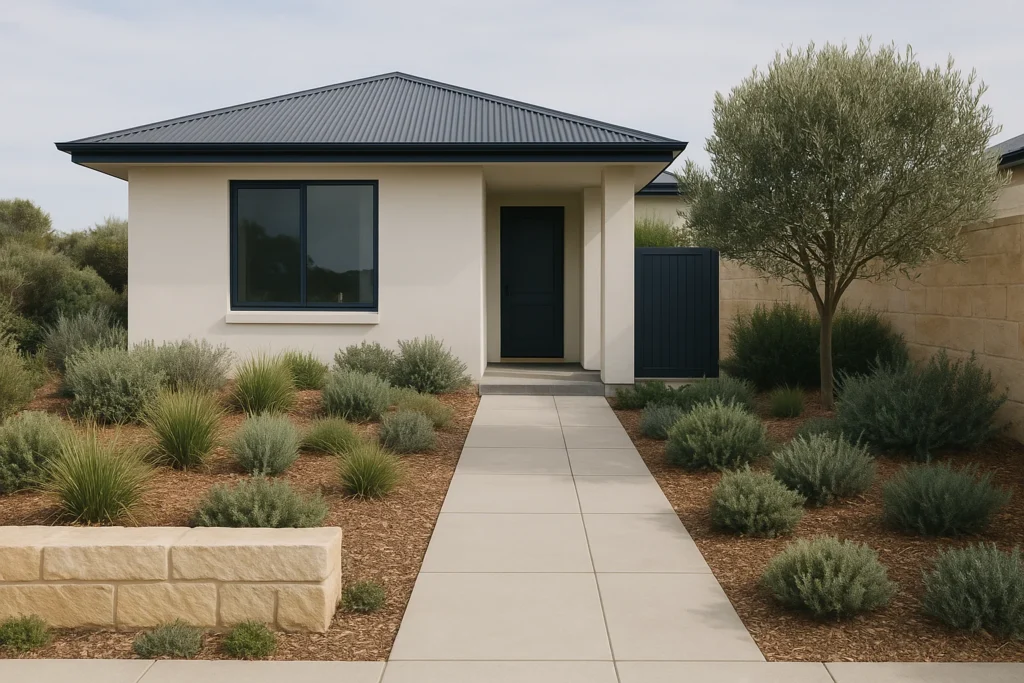
Start at the entrance and follow a consistent route through accessible areas, finishing back at the same point. This reduces backtracking and makes notes easier to understand later. Allow time to record observations without rushing.
- Wear enclosed shoes and take a charged phone.
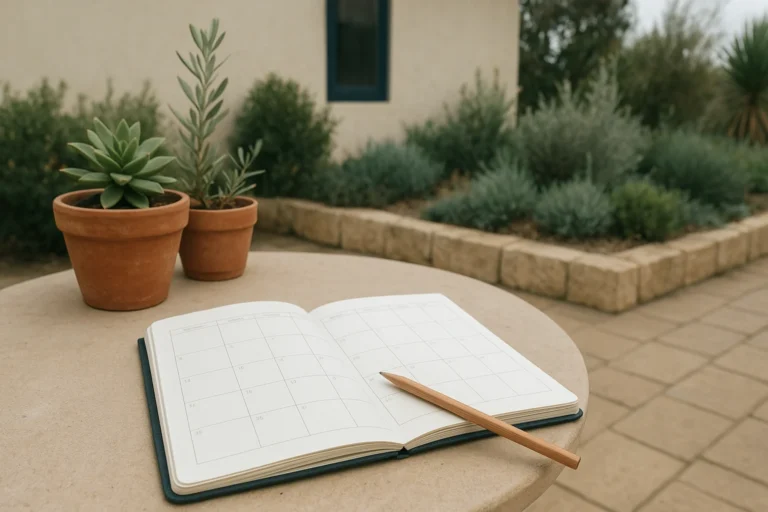
- Carry a notepad or use a simple notes app.
- Have the agreed keys or access details ready.
- Choose daylight and postpone if conditions make walking surfaces unsafe.
- Keep gates secure and arrange for pets to be safely separated.
Handy hint: Draw a rough property outline before leaving home. Label areas such as front path, side gate and rear patio, then use those same labels in your notes.
Record observations without starting repairs
During the ground-level property inspection, separate what you can see from what you think caused it. Write “dark mark beside rear door” rather than “water leak”, or “uneven paving near gate” rather than guessing what is underneath.
Note the location, the visible issue and whether access is affected. Take a wider photo for context and a closer image only where you can do so safely. Avoid including guests, personal documents or neighbouring private spaces.
Do not touch exposed wiring, unknown materials or damaged fittings. Keep clear of anything unstable and seek appropriate qualified advice rather than investigating it yourself.
A short checklist before you leave
Finish your ground-level property inspection by turning observations into a manageable next-step list:
- Record any areas you could not safely access.
- Separate routine garden care, cleaning and rubbish removal from issues needing specialist assessment.
- Choose one or two priorities rather than scheduling everything at once.
- Return keys as agreed and check that doors and gates are secure.
- Save notes and photos together so the next person has useful context.