A holiday-home consumables list can quietly become out of date. A dishwasher tablet changes size, a soap dispenser moves, or an item stays on the shopping list long after anyone uses it. Reviewing the list helps you decide what belongs in the property, what needs replacing and what no longer earns its shelf space.
For holiday homes in Victor Harbor and surrounds, spring is a useful prompt to do this before summer. You do not need a complete stocktake system. Start with your current list, your guest information and a walk through the property.
1. Compare the list with what guests are told
Read the description of your property and any arrival information. Highlight every consumable mentioned, including tea, coffee, toilet paper, soap and dishwashing supplies. Then check that each one appears on your working list.
Separate items provided for the whole stay from starter supplies. If you provide an initial supply rather than ongoing replenishment, make that clear in the guest information. Avoid vague phrases such as ‘everything supplied’ when the actual inclusions are more limited.
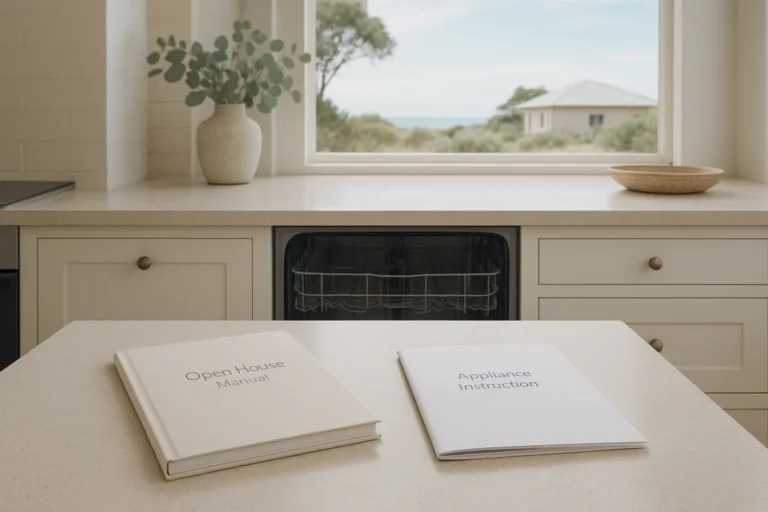
Also remove assumptions. A coffee machine does not tell guests which capsules to bring, and a dishwasher does not explain whether tablets are included. Record the exact type needed so whoever shops can choose a compatible product.
2. Walk through by room, not by shopping aisle
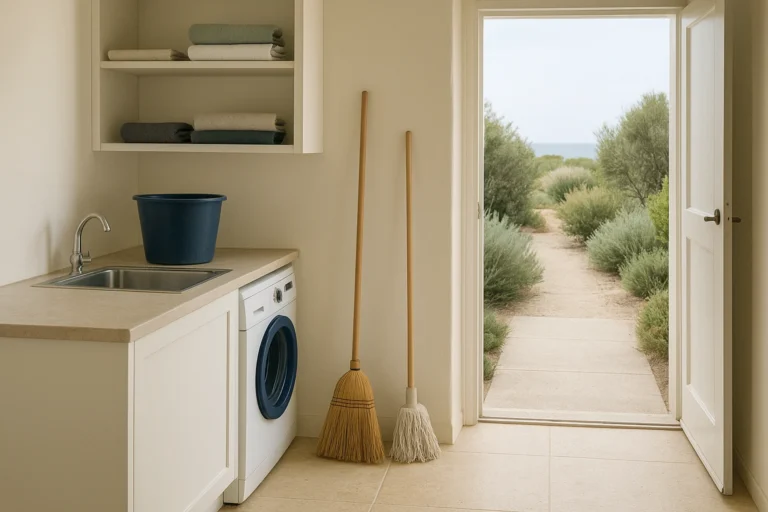
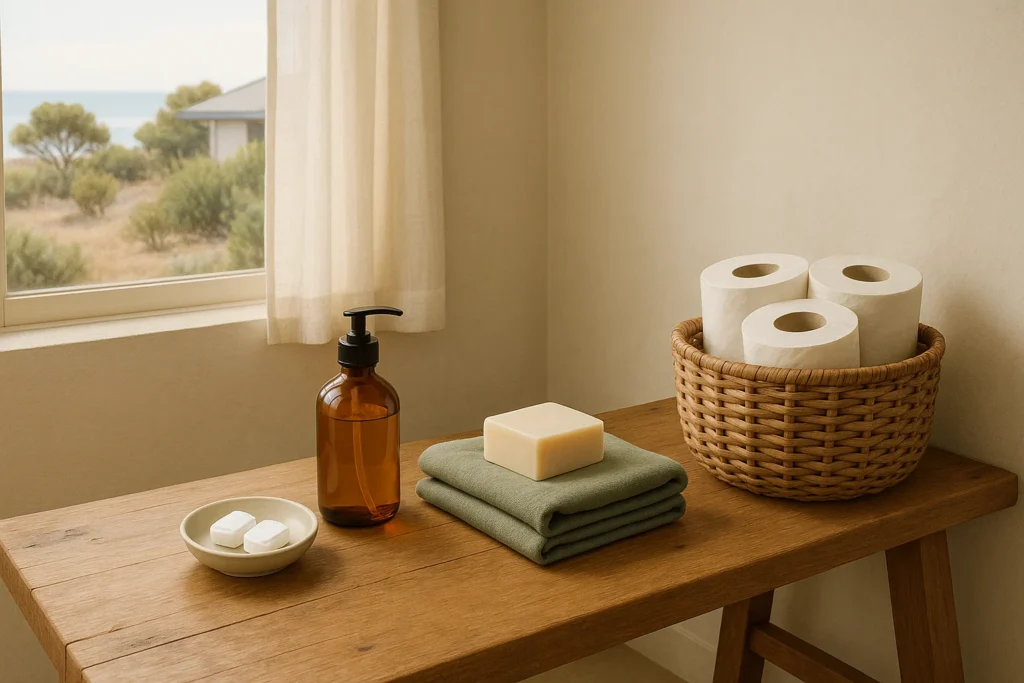
Check each place where guests use consumables. In the kitchen, look at dishwashing liquid, dishwasher tablets, bin liners and any food basics you choose to provide. In bathrooms, check toilet paper, hand soap and any advertised toiletries. Include laundry products only where these are part of your offering.
For each item, note its location, pack size and whether the container is usable. A nearly full dispenser with a broken pump is not ready for guests. Check dates and packaging condition, and remove products with unclear contents or damaged seals.
Keep cleaning products in their original labelled containers and store them securely, away from food and out of children’s reach. Do not top up an unidentified bottle or combine leftover products.
3. Give every item a clear reason and quantity
Mark each line as an advertised inclusion, a practical essential or an optional extra. This makes it easier to spot purchases that continue through habit rather than need.
Replace instructions such as ‘leave enough’ with a quantity your household team can check. For example, record the number of spare toilet rolls and the number of dishwasher tablets to leave. Choose amounts that suit your stated offering, guest capacity and booking length, then review them against actual use rather than guessing indefinitely.
Handy hint: Add a ‘do not substitute without checking’ note beside items with compatibility requirements, such as coffee capsules or bin liners. Include the size or product specification, not just a brand name.
4. Finish your holiday-home consumables list
Keep the revised list somewhere the owner and anyone helping with co-hosting can readily access. Date it, remove old copies and use a few completed stays to identify adjustments. A simple checklist is enough:
- Advertised inclusions match the supplies list.
- Product types, quantities and storage locations are clear.
- Dates, packaging and dispensers have been checked.
- Unused extras have been reconsidered.
- Low stock and approved substitutions can be recorded.
The aim is not to provide more of everything. It is to make your chosen inclusions clear, practical and straightforward to check.
Need a local hand preparing for the next stay? Explore our holiday home co-hosting support in Victor Harbor or ask about help with your property.