1. Start with the action, not the explanation
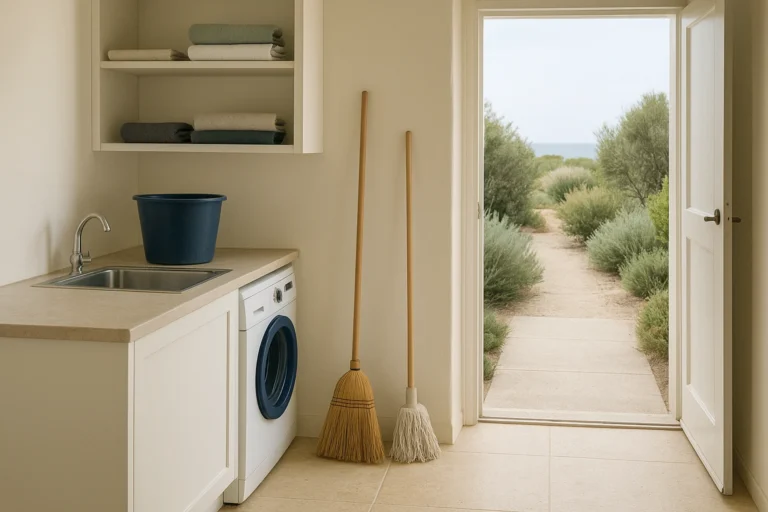
Write each instruction around one task. Begin with a clear verb such as open, place, press or leave. Avoid vague phrases like “use appropriately” or “return as required”, which ask guests to work out your meaning. For example, replace “Please ensure outdoor cushions are appropriately stored after use” with “After use, place dry outdoor cushions in the storage box beside the outdoor table.” Only use that wording if it matches your actual setup, and give a separate direction for damp cushions if needed. Keep reasons brief and useful. “Close the flyscreen after entering to help keep insects outside” gives a clear action and a sensible explanation without sounding like a warning notice.2. Make guest instructions match what visitors see
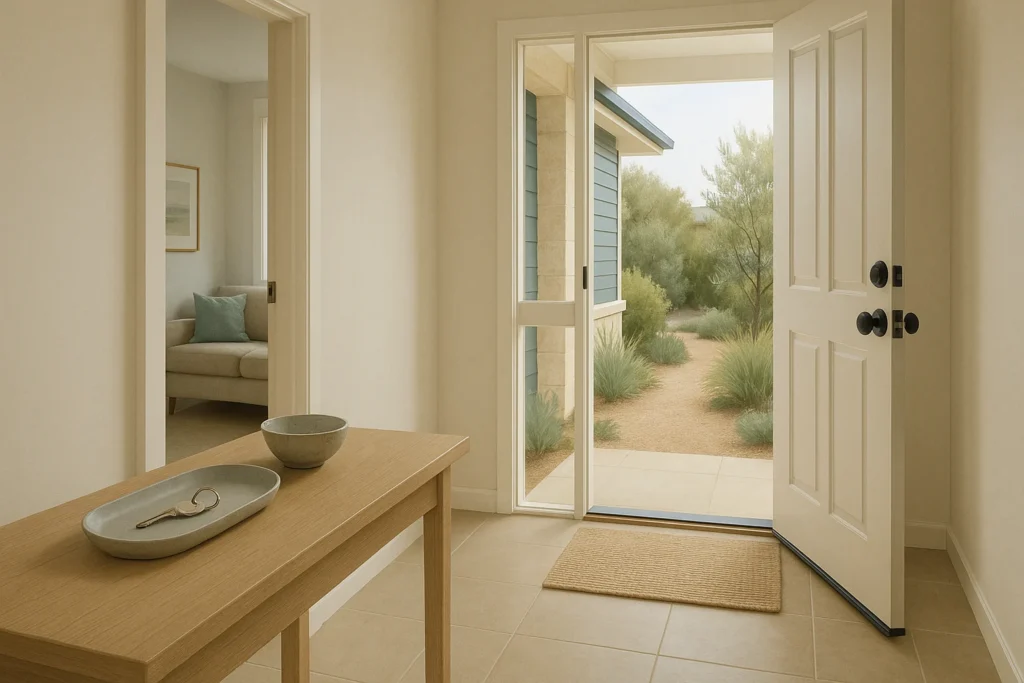
Owners often use names that visitors do not recognise. “The usual cupboard” and “the back switch” depend on knowledge guests do not have. Use visible features and fixed locations instead.- Replace “Spare towels are in the linen cupboard” with “Spare towels are on the middle shelf of the hallway cupboard opposite the bathroom.”
- Replace “Use the correct remote” with “Use the remote labelled TV for volume and channel changes.”
- Replace “Put rubbish out on collection day” with verified details about the correct bin, day and presentation location for that property.
3. Put steps in the order they happen
If a task needs several actions, use a short numbered list. Keep one action per step and put any important condition before the action it affects. A simple checkout towel instruction might read:- Leave used towels in the bathroom basket.
- Leave any unused towels on the cupboard shelf.
- Keep wet towels off beds and upholstered furniture.
4. Test guest instructions before adding more
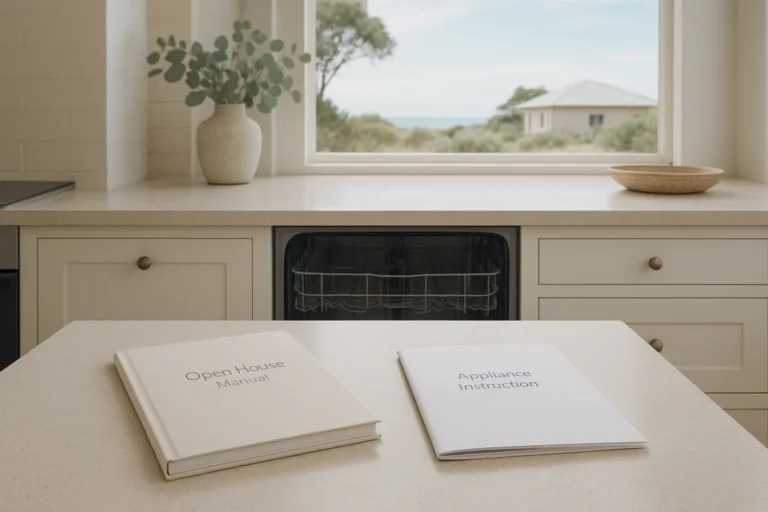
Ask someone unfamiliar with the property to follow one instruction without coaching. Watch where they hesitate. Revise that point rather than adding a paragraph of background information. Keep a dated working copy so an owner and co-host can update the same wording when furniture, storage or equipment changes. Quick instruction checklist:- Does it name one clear task?
- Are the item and location easy to identify?
- Are the steps in order?
- Does the wording match the current setup?
- Is there a clear contact if the task cannot be completed safely?
A practical starting point. Check product instructions and your property's conditions before starting. For work outside your skills or involving a licensed trade, get suitable professional advice.