A short garden check can help you decide what actually needs doing this week. The aim is to observe before spending money or starting a large job. Take your phone, a notepad and a hand trowel, then follow the same route each time.
First five minutes: access and obvious changes
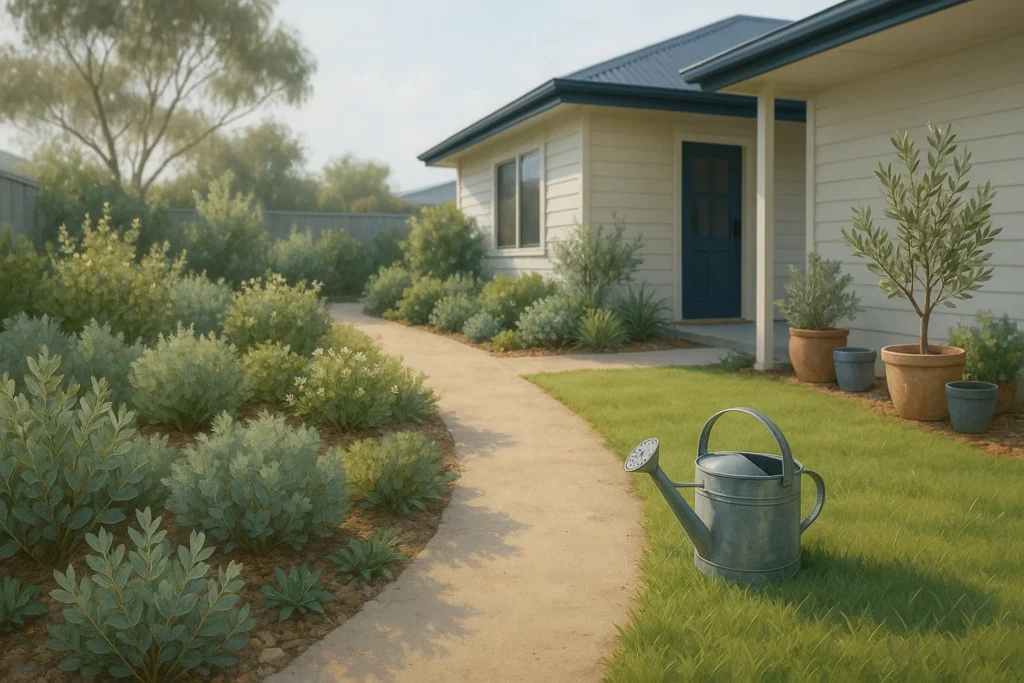
Look at paths, gates and places where you regularly walk. Note fallen debris, slippery patches and plants growing into access routes. Check that lightweight pots and outdoor items are stable. Stay clear of damaged trees, hanging branches and electrical hazards.
Photograph anything new. A photograph taken from the same position next week can show whether an issue is changing, which is particularly useful if someone else helps care for the property.
Next five minutes: soil and watering
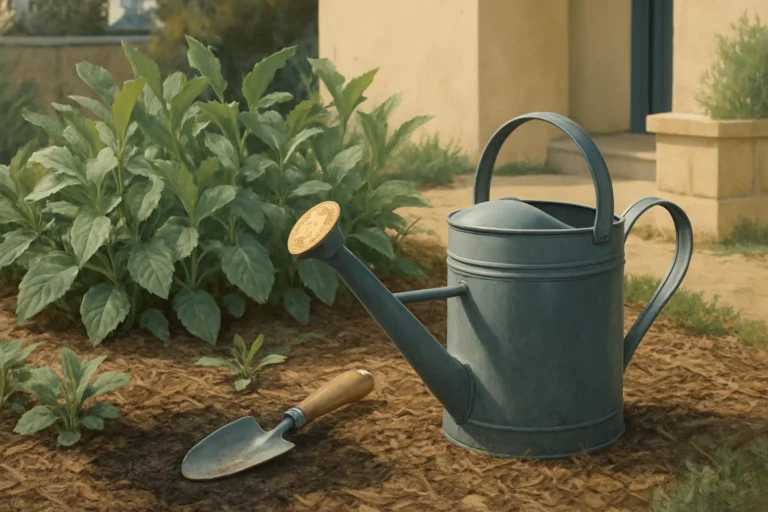
Check the soil beneath the surface in a few representative spots. Include a pot, a newer planting and an established bed if you have them. They may have very different needs, even when they are close together.
Look for leaking hose connections and drippers that have moved away from the root area. Review a timer after rain or a change in weather. Do not increase watering just because a plant looks unhappy; wet roots can also cause problems.
Final five minutes: choose one job
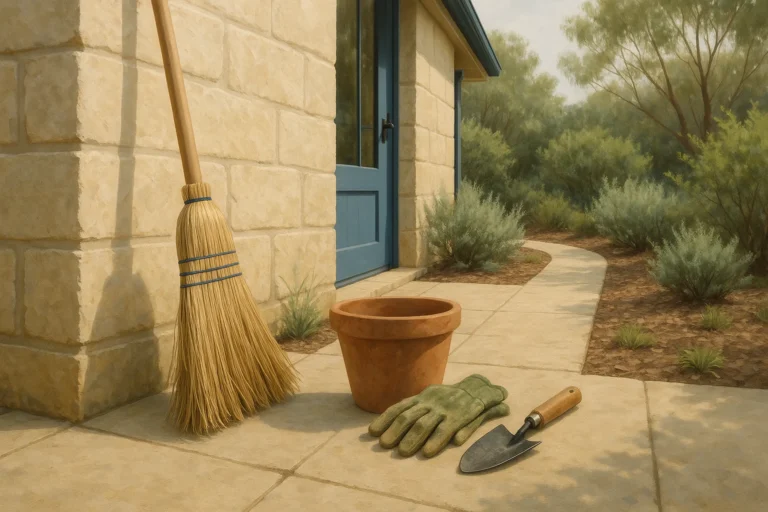
Pick a task that fits your available time, such as weeding a small bed or sweeping a path. Put larger concerns on a separate list with the next action needed. If a job needs specialist advice, booking that advice is useful progress in itself.
Keep the list realistic. Five things written down are not five things you must finish today.
Keep a simple garden check record
- What changed since the last check?
- Which areas were dry, damp or waterlogged?
- What can you safely do yourself this week?
- What needs advice, repair or further investigation?
Handy hint: use a recurring reminder on your phone and attach the photographs to the same note. Over time, your own observations become a practical guide to the garden's needs through the seasons.