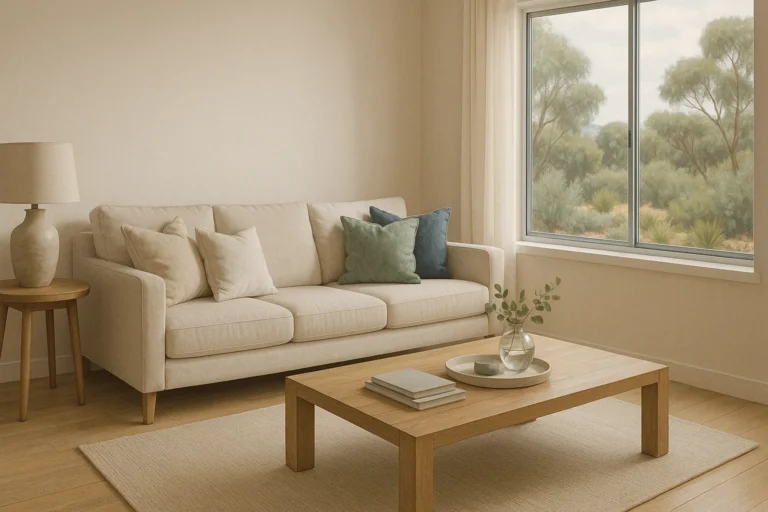
A house manual is most useful when it answers the question a guest has at that moment. Long introductions and scattered instructions make simple things harder. Put arrival essentials first and group the rest by room or task.
Start with the basics
Make the property address, host contact method and emergency information easy to locate. For an emergency in Australia, call 000. Keep private access codes in the appropriate secure guest communication, rather than a public guide or listing photograph.
Build a short, practical house manual
- Explain Wi-Fi access clearly and distinguish it from private household or device passwords. Keep the details current.
- Provide simple instructions for heating, cooling, television and kitchen appliances. Use labelled photographs of controls where helpful.
- Explain parking, bins and any genuinely necessary house rules. Describe what guests should do rather than relying on warnings.
- Include a short checkout section with the departure time and essential lock-up steps. Keep requests proportionate.
- Add local suggestions separately, checking opening hours and details before presenting them as current.
Test instructions with a new reader
Ask someone unfamiliar with the property to use the manual to turn on the television or find the rubbish bins. Wherever they hesitate is a place to improve the instructions.
Keep it maintained
Date the manual and update it after replacing appliances or changing access arrangements. Provide a practical offline version for guests whose phones are flat or who cannot connect. Do not include security details that future visitors should not retain, and avoid publishing guests' personal information anywhere in it.
Keep the printed and digital versions in step. When a guest asks a recurring question, note where the answer belongs and update that section before the next stay. Remove outdated directions so readers do not have to choose between conflicting instructions.