A home maintenance kit does not need to resemble a workshop. A small set of familiar tools is more useful than a large collection you are unsure how to use. Build the kit around straightforward jobs such as measuring, tightening furniture fittings and protecting surfaces.
Choose your home maintenance kit essentials
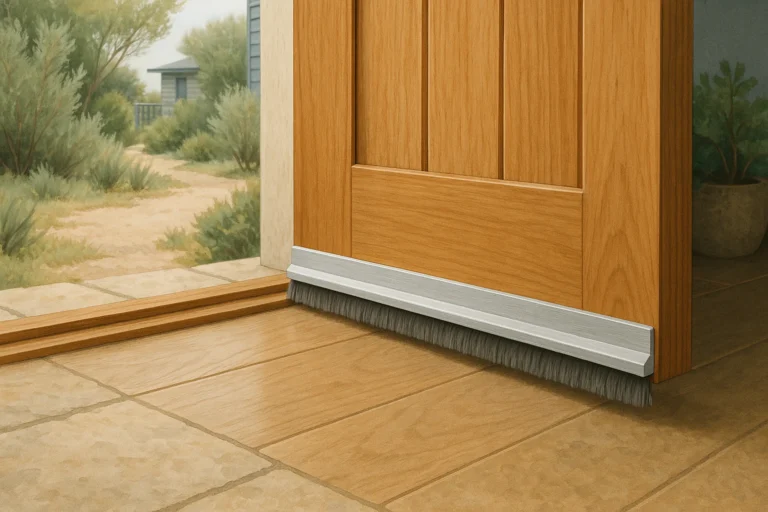
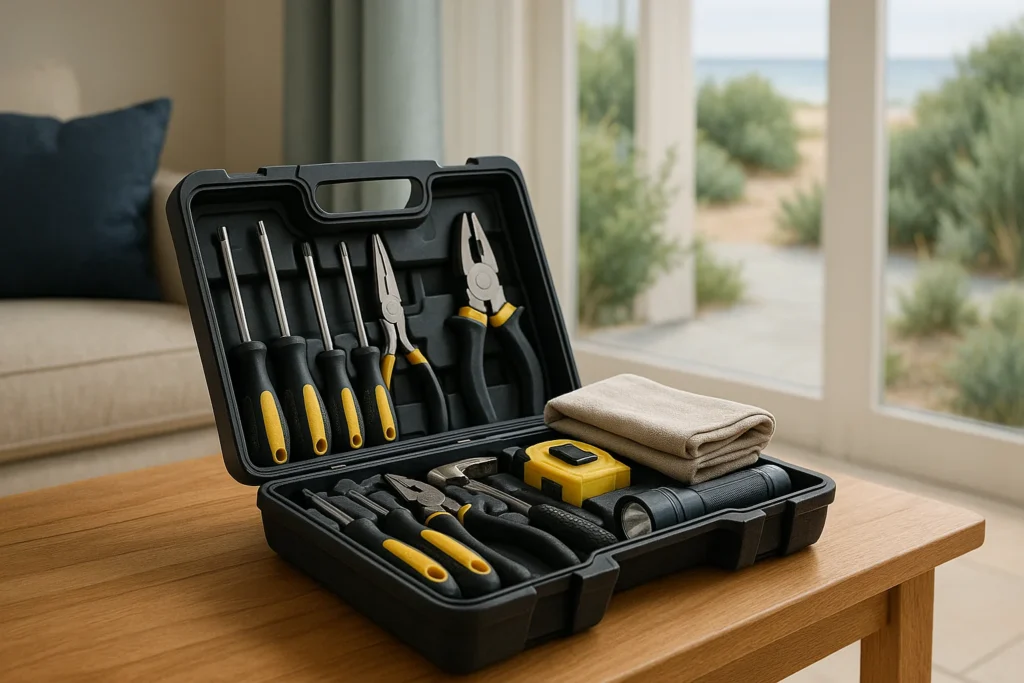
A tape measure, spirit level, suitable screwdrivers, adjustable spanner, pliers, torch and pencil cover many basic checks. Add gloves, eye protection and a small collection of manufacturer-approved replacement fittings for items you actually own. Store sharp tools safely.
Organise for the jobs you do
- Choose screwdriver tips that properly fit your screws. A poor fit can damage the screw head and make the next repair harder.
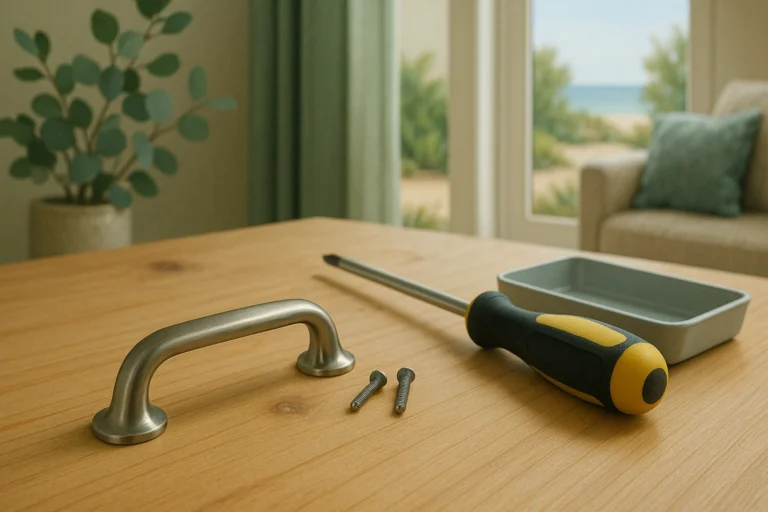
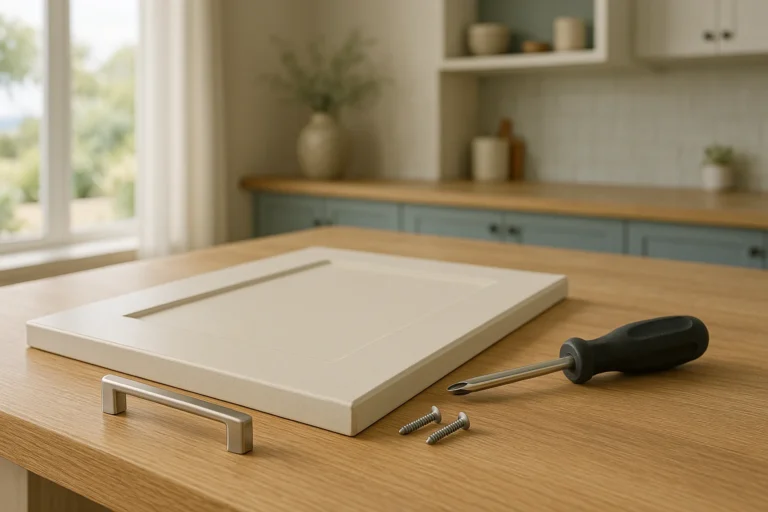
- Keep spare furniture fixings in labelled bags with the item's name. Photograph assembly instructions before throwing away packaging.
- Include a drop sheet, clean cloths and a small container for removed parts. Protecting a surface is easier than repairing a scratch.
- Keep manuals and receipts in a digital folder, using the product name and model number as filenames.
- Add tools only when a real job calls for them and you understand how to use them safely.
Record measurements before shopping
Put a notepad in the kit. Record measurements before shopping and take the old removable part with you when appropriate. Similar-looking hinges and handles can have different hole spacing.
Keep the scope sensible
Owning a tool does not make every job a DIY task. Leave electrical, gas, plumbing, structural and suspected asbestos work to appropriately qualified people. Avoid ladders or lifting jobs beyond your ability, and check the relevant requirements before starting unfamiliar work.
Check the kit after each job. Return loose parts to their bags, remove damaged tools and replace used supplies before the next task. Keep the storage area dry, easy for the owner to find and safely away from guests or children.